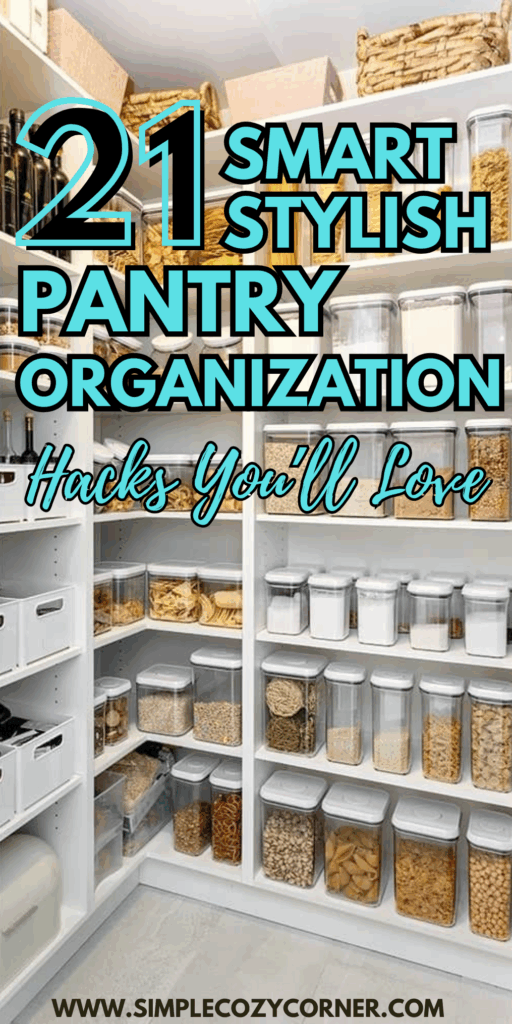
21+ Smart Ways To Organize Your Pantry
Please note, this post may contain Amazon affiliate links. If you make a purchase through these links, I may earn a commission at no additional cost to you. All opinions expressed here are entirely my own, based on my personal experience and research.
This article is all about Pantry Organization.
A well-organized pantry honestly makes everyday life feel smoother.
It cuts down on time searching for ingredients, helps avoid food waste, and just makes meal prep feel way less chaotic.
If your pantry’s been looking like a snack avalanche lately, this list is for you.
Whether you’re dealing with a small cabinet or a full walk-in space, using clear containers, labels, and clever shelf setups can totally transform how your pantry works.
These tips focus on getting the most out of whatever space you’ve got, making sure things stay tidy, visible, and easy to grab when you need them.
Why Pantry Organization Matters More Than You Think
An organized pantry does way more than just look good—it actually supports a smoother, less stressful kitchen routine.
When everything has a place and is easy to see, you’re less likely to overbuy, forget what you already have, or let food expire.
It also makes cooking and grocery planning feel way more manageable, especially on busy weeknights.
Whether you’re working with a small cabinet or a walk-in pantry, a solid system gives your space structure while making everyday tasks feel effortless.
And once it’s in place, keeping it tidy becomes second nature.
Smart Shelf Arrangement
A super simple change that makes a big difference is organizing shelves based on how often you use things.
Daily-use items should go at eye level, while backup stock or seasonal stuff can go higher or lower.
Heavier things like flour or bulk items are safer on the bottom.
Grouping items—like having all your baking goods in one area—helps speed up your cooking game.
If your pantry has adjustable shelves, tweak them to fit your tallest containers.
Creating zones also prevents that chaotic digging-through-the-back situation no one enjoys.
Maximizing Vertical Space
No products found.If your pantry feels packed, look up—seriously.
Vertical space is often totally wasted.
Stackable shelves, risers, or even tall bins give you bonus layers without adding more furniture.
Hanging racks on pantry doors or hooks for baskets can also free up tons of room.
Spices, tea bags, or small jars do well here.
You can even use tension rods to divide vertical zones on wide shelves, which works great for things like cutting boards or snack bags.
Effective Container Selection
Investing in airtight, clear containers honestly changes everything.
You can spot what’s inside right away, and your dry goods stay fresher longer.
Go for similar shapes so they stack well and take up less space.
Use bins for snacks or small packets, and label both the front and the top for quick spotting.
Wide openings make it easier to scoop stuff out, which matters more than you’d think during a busy dinner rush.
Labeling and Categorization
No products found.Labeling might feel like a Pinterest move, but it’s actually a game-changer.
Clear, consistent labels help everyone in the house know where things go and what’s running low.
Group similar items together—like pasta with pasta sauce, or cereals with granola.
Color-coded tags or cute handwritten labels add a personal, rustic touch.
You can also use apps or printed lists to keep digital track of your pantry staples.
Pantry Organization With Baskets
Baskets are honestly magic for keeping clutter out of sight.
Use them for snack packs, juice boxes, or breakfast items.
Labeled baskets make it easier to grab what you need without knocking everything else over.
Wire or woven styles give you that rustic wooden pantry with baskets look, which works especially well in farmhouse kitchens.
It also makes it feel more homey and less sterile, which is a vibe if you’re into warm kitchen aesthetics.
Kitchen Pantry Design That Works For You
No products found.Think about how you actually use your pantry—because function beats fancy every time.
Do you grab canned goods often? Put those front and center.
Do you love baking? Make a little baking zone with flour, sugar, and vanilla all together.
Customizing your kitchen pantry design to your lifestyle saves time and reduces frustration.
It also helps you shop smarter because you’ll know exactly what you’ve run out of.
Utilizing Doors and Hidden Storage
Your pantry door isn’t just for closing—it can hold so much.
Install shallow racks or spice shelves to stash small jars, seasoning packets, or condiments.
Magnetic strips work well for metal lids or even bag clips.
Under-shelf bins or hooks tucked into corners help hide the messier stuff without sacrificing space.
Kitchen Fruit Storage Farmhouse Style
No products found.If you’re into farmhouse vibes, go for wooden crates or tiered produce baskets.
This kind of kitchen fruit storage farmhouse setup looks rustic but keeps your produce off the counter.
You can mount the baskets on the wall or slide them under a bottom shelf.
It’s both decorative and functional—a win-win for style and storage.
Rotating and Restocking Techniques
Here’s something you should totally start doing: FIFO (first in, first out).
When you restock, push the older items forward so they’re used first.
Create zones for different categories so you know where everything goes and can easily tell what’s low.
It helps avoid food waste and those “oops, expired again” moments.
Incorporating Pull-Out Drawers
No products found.Pull-out drawers make a huge difference in deep pantries.
No more blindly reaching into the back.
Just slide the drawer out and see everything at once.
Use dividers to separate snacks, cans, or baking tools within the drawer.
Clear bins inside the drawers keep things even more sorted and visible.
Rustic Wooden Fruit Storage
Bring a little charm into your pantry with rustic wooden fruit storage.
Think stackable wooden bins or crates that hold everything from apples to potatoes.
Not only do they add a natural feel to your pantry, but they’re also breathable, so produce stays fresher longer.
These also work perfectly in organized kitchen pantry with baskets layouts.
Maintaining Long-Term Organization
No products found.Keeping your pantry organized isn’t a one-time thing—it takes maintenance.
Do a quick clean-out every few months and adjust your zones as needed.
Make labeling part of your routine and resist the urge to shove things in where they don’t belong.
Little habits like these keep your space efficient and clutter-free.
Pantry Design Ideas for Small Spaces
Even the tiniest pantry can work wonders with smart design.
Go vertical, use clear bins, and rotate items regularly.
Wall-mounted baskets, tiered turntables, and narrow shelf inserts help make the most of limited space.
You don’t need a walk-in—just a well-planned layout.
Grouping Items By Meal or Use
No products found.Organize your pantry based on how you cook.
For example, keep taco shells, salsa, and beans together for taco night.
Breakfast stuff—oats, granola, nut butters—can go on one shelf.
This meal-based grouping saves serious time during busy mornings and dinner prep.
Repurposing Jars for Snacks and Staples
Glass jars aren’t just cute—they’re super functional.
They’re perfect for nuts, trail mix, or even cookies.
Being able to see the contents helps you snack smarter and keep portions in check.
Bonus: they give your pantry that curated, clean vibe.
Adding Lazy Susans for Corners
No products found.Lazy Susans aren’t just for grandma’s kitchen—they’re honestly genius.
Pop one in a pantry corner to hold oils, sauces, or condiments.
No more digging through five bottles of soy sauce to find the sesame oil.
It keeps things moving and visible, especially for round containers.
Using Clear Storage for Bulk Items
Big containers of flour, rice, or cereal? Use clear storage bins.
It helps you see how much is left and prevents spills.
Label everything and line the bins up by category.
This setup looks great and keeps your pantry feeling super clean.
Built-In Bins for Grab-and-Go Snacks
No products found.If you’ve got kids—or just love snacks—create a snack station.
Use shallow bins or drawers for easy grab-and-go access.
This keeps chip bags or granola bars from getting lost behind the canned goods.
And it helps limit overbuying the same stuff you already have.
Matching Containers for a Clean Look
Matching doesn’t mean boring—it means organized.
Pick a style you like and stick with it: glass jars, white plastic bins, or bamboo containers.
Uniformity helps your pantry look clean and cohesive.
Plus, it makes stacking and storing way easier.
Chalkboard Labels for a Rustic Look
No products found.Want that rustic feel? Try chalkboard labels.
They’re reusable, cute, and give off total farmhouse vibes.
Perfect for rotating items like seasonal snacks or baking ingredients.
Pair them with woven baskets or wooden bins for extra cozy points.
Mixing Open and Closed Storage
Balance is key in pantry design.
Use open shelves for pretty items like glass jars or labeled containers.
Keep messier or less-used things behind closed doors or in opaque bins.
This mix keeps the space functional but still nice to look at.
Final Thoughts
At the end of the day, pantry organization isn’t about perfection—it’s about making your space work better for you.
With a few simple upgrades like clear containers, labeled baskets, and smart shelf setups, your pantry can go from chaotic to calm in no time.
The key is building a system that’s easy to maintain and fits your everyday routine, whether you’re working with a full walk-in or a single cabinet.
Once you have your setup dialed in, you’ll save time, reduce waste, and honestly just feel more in control of your kitchen flow.
FAQ
What is the best way to organize a small pantry?
Use vertical space, clear bins, and tiered shelving to make the most of tight areas. Group items by use and rotate regularly to keep everything visible and accessible.
How do I make my pantry look nice but still functional?
Stick with a color scheme or matching container set, label clearly, and use baskets to hide clutter. Blend open and closed storage for a balance of aesthetics and usability.
What should not be stored in a pantry?
Avoid storing things that require refrigeration like dairy or opened jars with perishables. Also, avoid keeping items near heat sources or in direct sunlight.
How often should I reorganize my pantry?
Every 3 to 6 months is a good timeframe for a pantry refresh. Check expiration dates, adjust your zones based on current needs, and give it a quick wipe-down.
What containers are best for dry goods?
Clear, airtight containers are ideal. Choose BPA-free plastic, glass jars, or acrylic bins based on what fits your space and style.
This article was all about Pantry Organization.
If you love this post, you may also love: